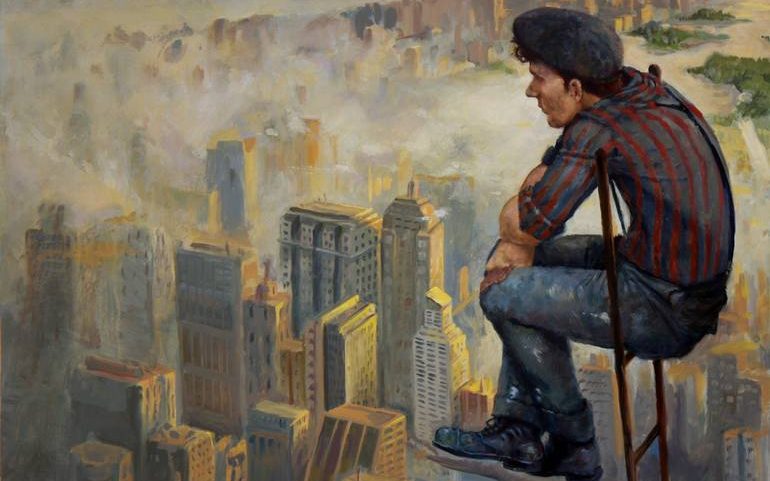
Why do artists need solitude?
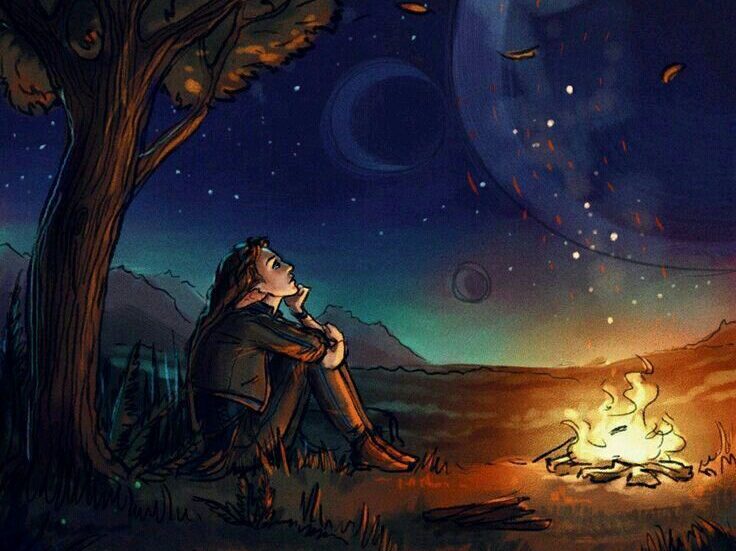
To be alone or isolated from society has traditionally been defined as being in solitude. But seclusion has a somewhat different significance for artists. Solitude isn’t about fully withdrawing from the outer world or from others; it’s about allowing oneself time for contemplation and thought.
This is why many authors and artists arrange intentional creative getaways and retreats. But you may not have to travel to a remote place to understand the benefits of isolation and creativity. Alone art time may occur anywhere and at any period: at a studio, down the street, or on the road. Fit it in wherever you can and discover what best suited for you. It could be going to an art gallery, going for a walk in the park, or even taking advantage of a normal commute.
Your greatest companion is solitude.
Aristotle, the famous Greek philosopher, famously remarked that human beings are social animal, and that anyone who lives alone is either a beast or a god. Humans have evolved to survive in communities and interact with one another. To be pleased, we ought to spend time around each other. Spending time alone, on the other hand, might appear suspicious. Those who prefer isolation are considered as unusual at best and dysfunctional at worst in today’s environment, and are sometimes assumed to be suffering from social anxiety, boredom, estrangement from others, or even melancholy.
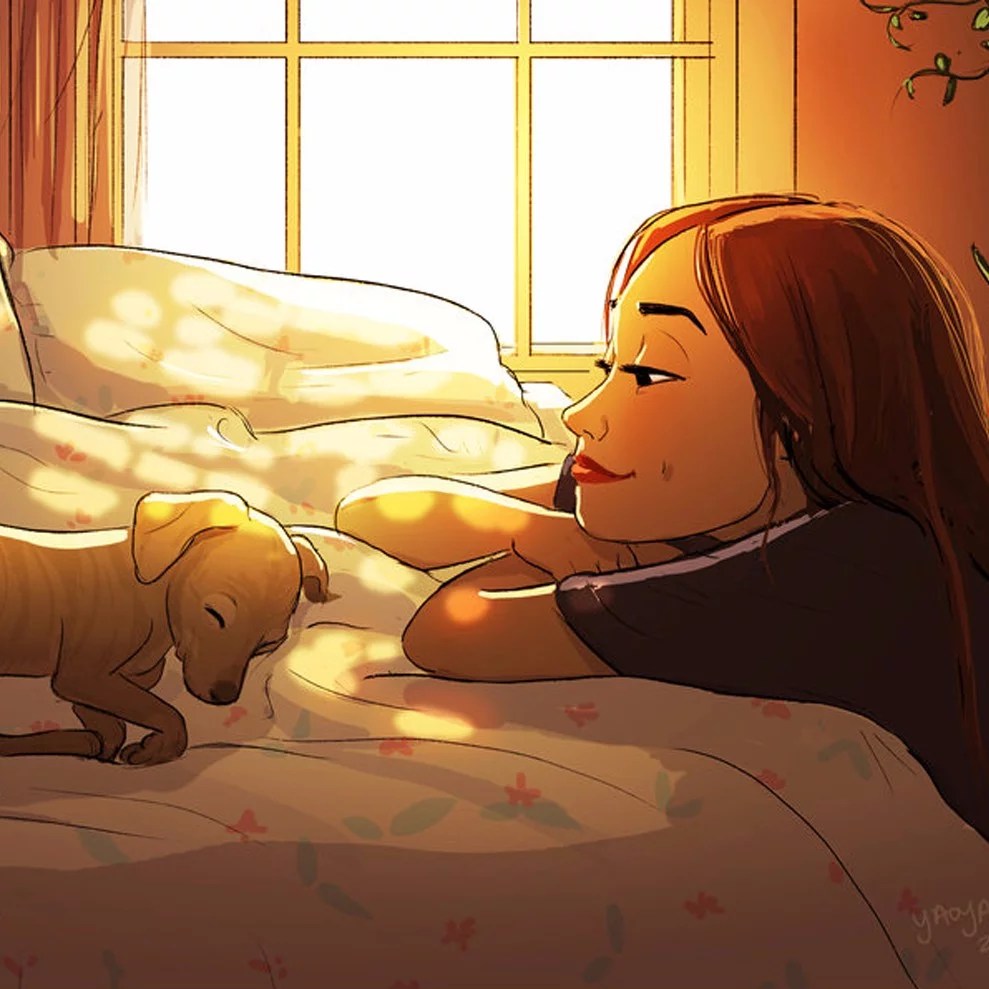
“The finest company” can be described as solitude. Being on one’s alone has a liberating effect on people. They are able to exert some influence over how they spend their time. They are able to unwind after a long day in the city and experience a sense of independence. Solitude is a period of solitude that can be utilized for introspection, inward seeking, progress, or enjoyment. Deep reading, like seeing the beauty of nature, need seclusion. And, in most cases, so do thinking and innovation. Solitude connotes serenity resulting from a sense of inner abundance.
Solitude enables us to get our thoughts. It prepares us for troubles. You have the option of choosing solitude. Others drive you to be lonely. Solitude is relaxing and offers enjoyment to the individual. It has the potential to lead to a profound contact with the soul, a communication with the soul. There is a quiet company, a calmness, beyond our anxiety and loneliness. In our own ideas, feelings, and bodies, we are at ease. We are not scared here.
Paintings That Demonstrate How Solitude Can Be Your Most Significant Companion
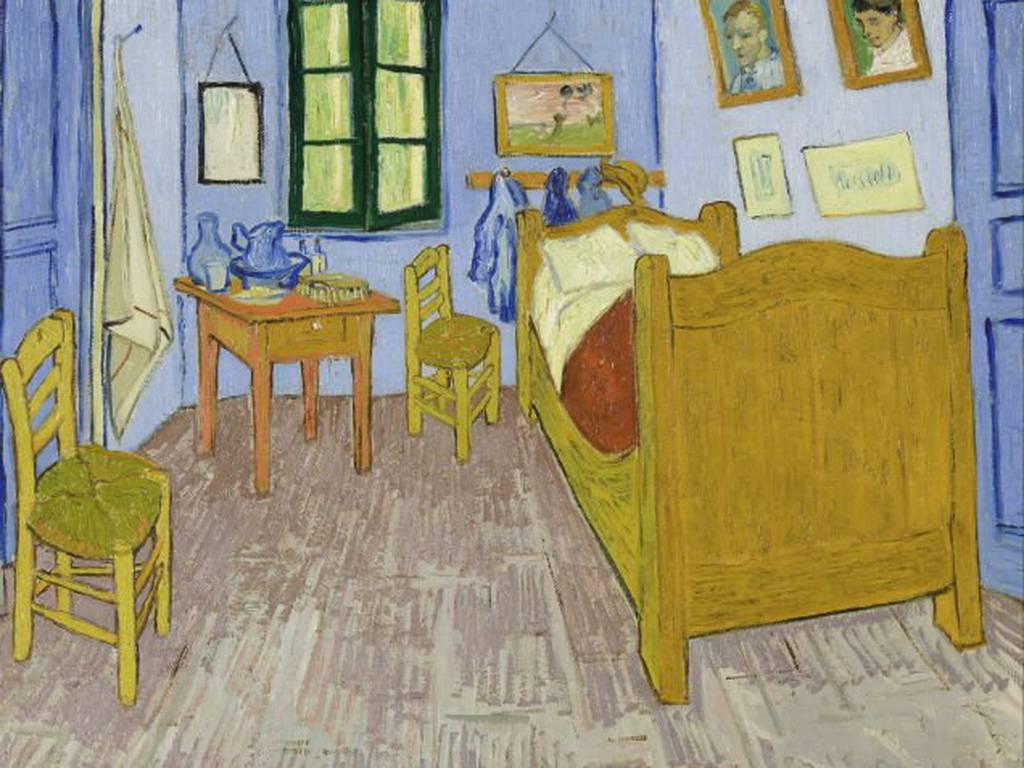
Vincent Van Gogh
Dutch, 1853 – 1890
Bedroom at Arles, 1890
Oil on canvas
Van Gogh painted this artwork of his Yellow House bedroom while in Arles. He furnished the space with basic furnishings and hung his own artwork on the walls. The vibrant colors were intended to convey complete ‘repose’ or ‘sleep.’ According to research, the starkly contrasted colors we observe in today’s art are the consequence of discoloration over time. For example, the walls and doors were originally purple rather than blue. Meanwhile, the seemingly strange angle of the back wall is not a Van Gogh error; the corner was actually skewed. The rules of perspective appear to have been ignored throughout the picture, although this was done on purpose.
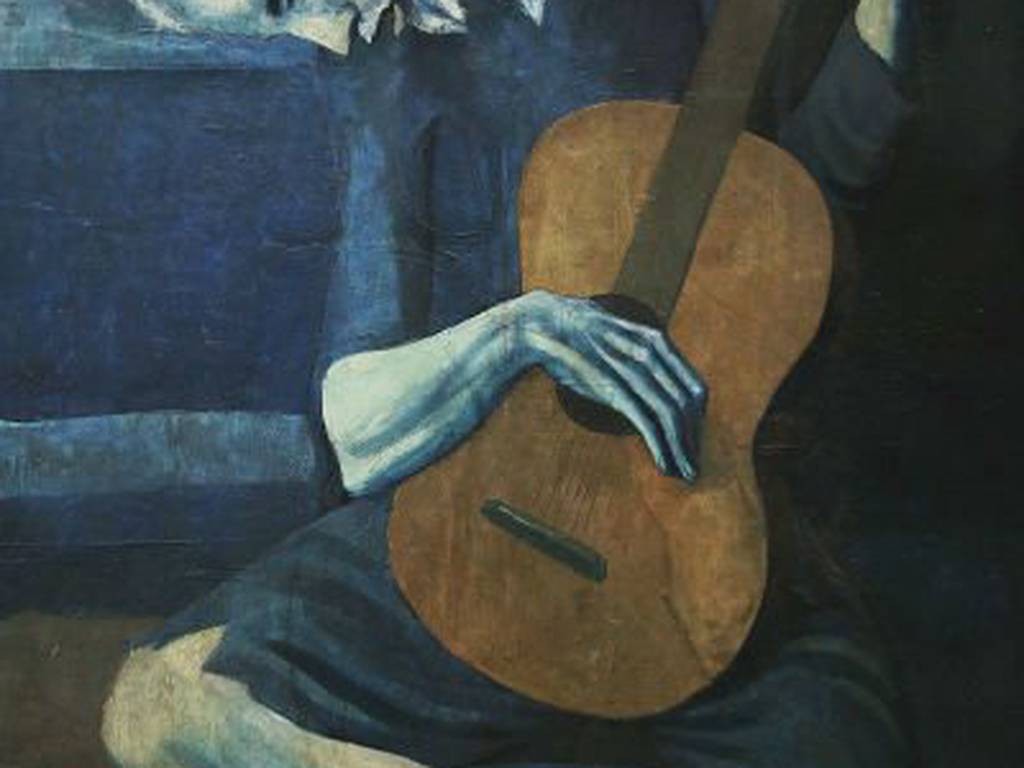
Pablo Picasso
Spanish, 1881 – 1973
The Old Guitarist, 1903
Oil on panel
The Old Guitarist was created in 1903, shortly after Picasso’s close friend Casagemas killed himself. Throughout this time, the artist was sensitive to the condition of the oppressed, and he produced several canvases representing the struggle of the poor, sick, and outcasts. He, too, had experienced poverty, having been practically destitute for the whole year of 1902. This piece was done in Madrid, and the distorted manner (notice that the guitarist’s upper body looks to be reclining, while the lower part appears to be sitting cross-legged) is evocative of El Greco’s work. |
A big, circular guitar is clutched by this bent and blind guy. The painting’s only color shift is due to its gloomy body. The instrument fills the area surrounding the lone man, both physically and metaphorically, as he plays, seemingly oblivious to his blindness and poverty. Blind figures with inner vision skills were common in Symbolist literature at the time the picture was created.
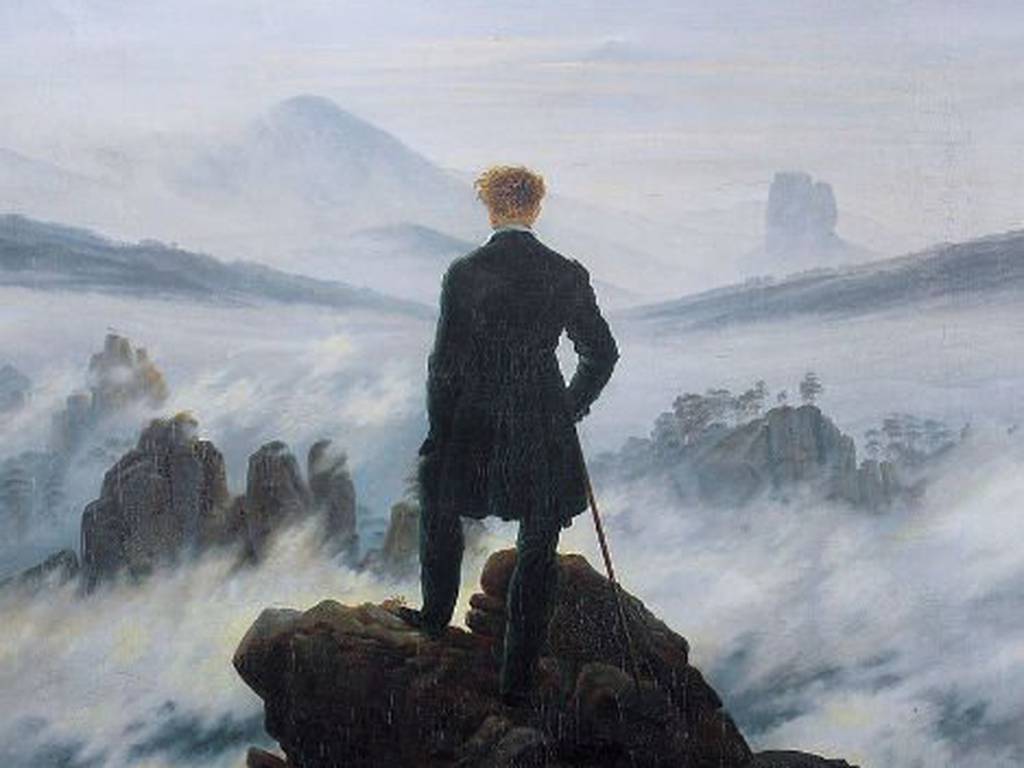
Caspar David Friedrich
German, 1774 – 1840
Wanderer above the Sea of Fog, 1818
Oil on canvas
As if the haze of the sea fog were a religious and spiritual experience, the person stands in concentration and self reflection. He considers the unforeseeable future at that time.
By turning his back on the crowd, he allows them to see the world through his perspective, to share and transmit his unique experience.
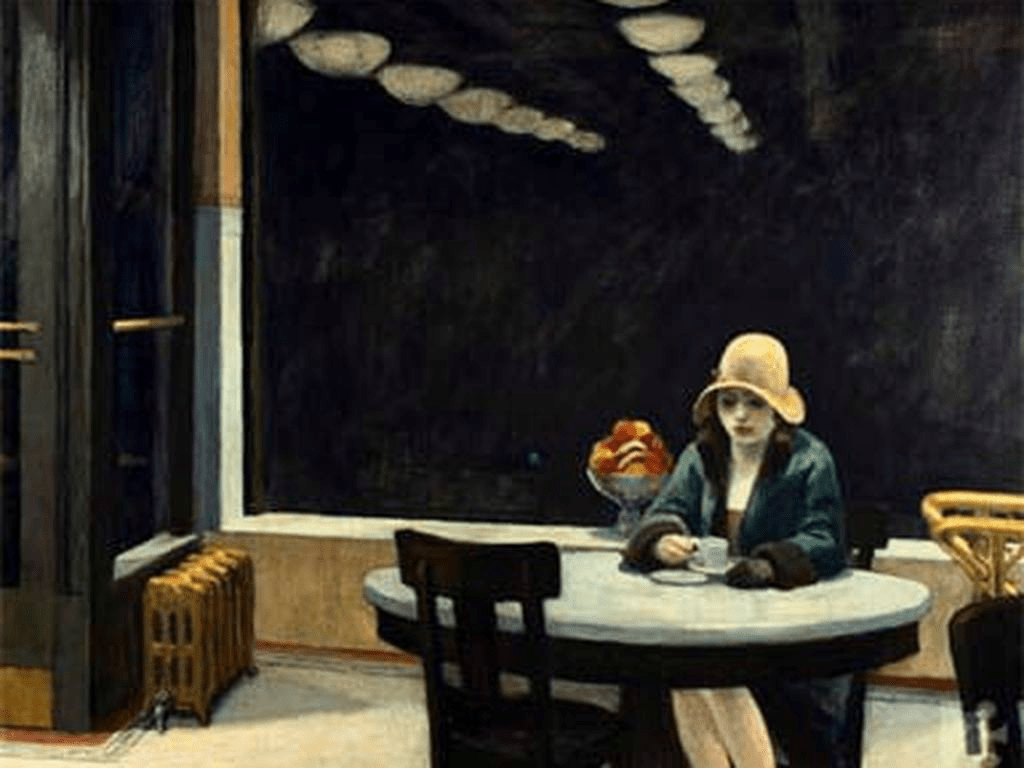
Edward Hopper
American, 1882 – 1967
Automat by Edward Hopper (1927)
Oil on canvas
The Automat’s most prominent portrait is of a lone woman seated in an automated diner. The observer can see the clear dark night through the window behind her. The clever application of oil paint creates a reflecting light that contributes to the loneliness. Despite the fact that the artwork was painted during the Roaring Twenties, she does not appear to be a part of it. The pushed-in chair, her beautiful green coat with fur around the collar, and the mix-and-match hat pulled down over her face all indicate that this woman is carrying a heavy load. There are no apparent doors, like in previous Hopper paintings. The woman seemed to be engulfed in her own misery. The artist shows a solitary woman drinking from an automatic machine in this painting. The woman is meditating, and her ideas are hypnotizing her while she swirls her drink around.
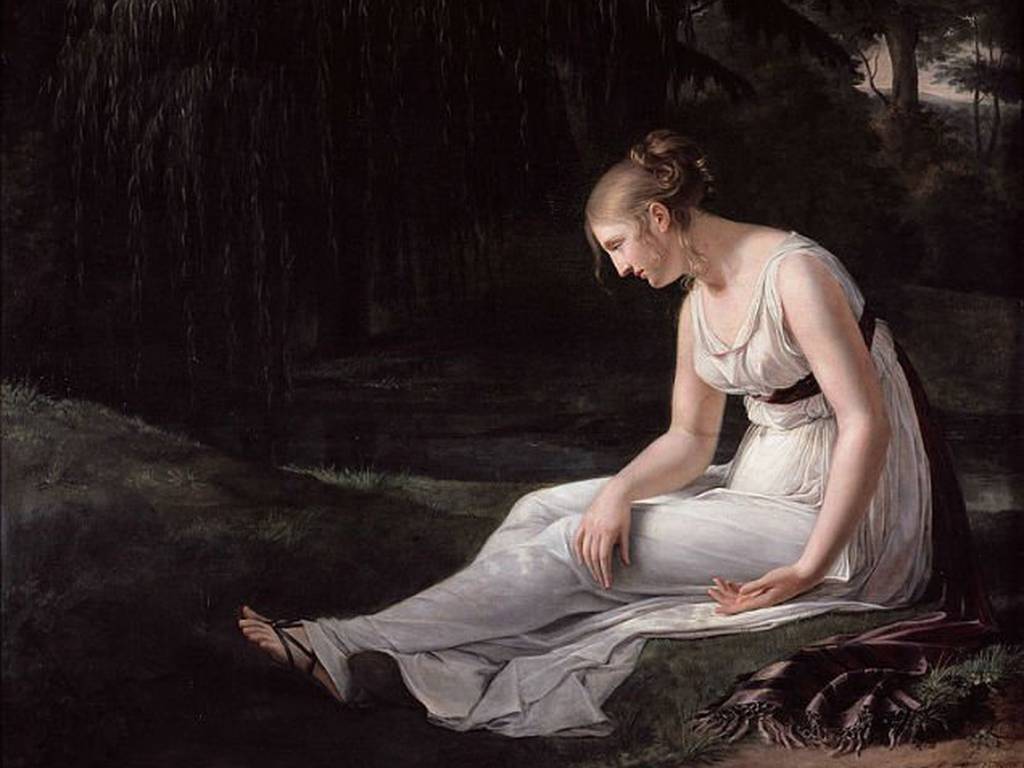
Constance Marie Charpentier
French, 1767 – 1849
Melancholy , 1801
Oil on canvas
Melancholy is a painting by French painter Constance Marie Charpentier portraying a female figure slumped down in a depressed mood. It was drawn elegantly and with classical decorum in 1801 at the age of 34. The realistic expression of sorrow on the face. Melancholy might pervade those moments of solitude since it is when you are alone that you look back and reflect on what you’ve accomplished. Every blunder and disgrace is felt as if it were occurring right now. A young woman is draped in a chiton, staring fixedly at the ground, her shoulders bent, as if burdened down by her sad thoughts, which match the forest’s gloom.
Follow Me
Get new content delivered directly to your inbox.
 The Art of Solitude